Navigating the AI Chernobyl Moment: Lessons from the 1986 Disaster and the Future of Trust
Many experts warn that artificial intelligence could soon face an “AI Chernobyl” moment—a crisis as severe as the 1986 nuclear meltdown. Such an event could shatter public trust and halt progress in AI development. Understanding the parallels between these two moments helps us prepare for the challenges ahead and protect the future of AI.
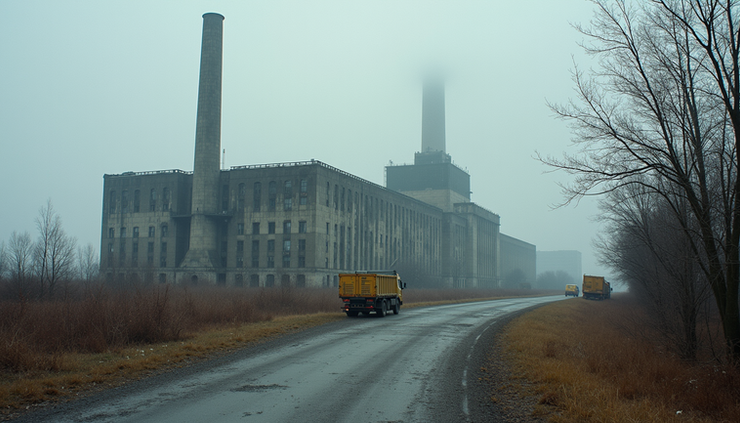
What Happened at Chernobyl and Why It Matters Today
The Chernobyl disaster was a catastrophic nuclear accident caused by a flawed reactor design and human error during a safety test. The explosion released massive amounts of radioactive material, causing immediate deaths and long-term health and environmental damage. The event also destroyed public confidence in nuclear energy and government transparency.
This disaster shows how a combination of technical failure and poor communication can lead to widespread fear and mistrust. The aftermath revealed the importance of safety culture, transparency, and accountability—lessons that apply directly to AI development today.
Why AI Could Face a Similar Crisis
AI systems are becoming more powerful and integrated into daily life, from healthcare to finance to transportation. But with this growth comes risks:
Unintended consequences: AI can behave unpredictably, especially when operating in complex environments.
Lack of transparency: Many AI models are “black boxes,” making it hard to understand or explain their decisions.
Ethical concerns: Bias, privacy violations, and misuse of AI can cause harm and erode trust.
Rapid deployment: Pressure to release AI products quickly may lead to insufficient testing and oversight.
If an AI system causes a major failure—such as a fatal accident, widespread misinformation, or a security breach—it could trigger a crisis of confidence. Public backlash might slow innovation and lead to heavy regulation or bans.
Building Trust Through Transparency and Safety
To avoid an AI Chernobyl moment, developers and policymakers must prioritize trust-building measures:
Clear communication: Explain AI capabilities and limitations honestly to the public.
Robust testing: Conduct thorough safety checks before deployment, including stress tests and scenario analysis.
Accountability frameworks: Define who is responsible when AI causes harm and ensure mechanisms for redress.
Open research: Share findings and failures openly to foster collaboration and improvement.
For example, some AI companies now publish detailed model cards that describe how their systems work and where they might fail. This practice helps users understand risks and builds confidence.
Learning from Past Mistakes: The Role of Regulation
After Chernobyl, governments introduced strict nuclear safety regulations and international cooperation to prevent future disasters. AI needs similar oversight tailored to its unique challenges:
Standards for safety and ethics: Establish clear guidelines for AI design, testing, and deployment.
Independent audits: Require external review of AI systems to verify compliance.
Global coordination: Encourage countries to work together on AI safety to avoid regulatory gaps.
The European Union’s AI Act is an example of emerging regulation aiming to balance innovation with risk management. It classifies AI applications by risk level and sets requirements accordingly.
Preparing Society for AI Risks
Public understanding and engagement are crucial. People must be aware of AI’s benefits and risks to make informed decisions and support responsible policies. Education initiatives can:
Teach AI literacy in schools and communities.
Promote media coverage that explains AI issues clearly.
Encourage dialogue between developers, users, and regulators.
When society trusts AI, it can embrace new technologies with confidence rather than fear.
The Path Forward
The AI Chernobyl moment is not inevitable. By learning from the 1986 disaster, we see the importance of safety, transparency, and trust. AI developers, regulators, and the public must work together to build systems that are reliable and understandable.
The future of AI depends on how well we manage risks today. Taking proactive steps now can prevent a crisis that would set back progress for years. Trust is fragile but essential—protecting it will unlock AI’s full potential for good.


Comments